Synesthesia
Your Brain Is Terrible at Communication (And That's Not Your Fault)
Here's an uncomfortable truth: you are bad at communicating. Not because you lack skill, emotional intelligence, or training. Your brain is structurally broken for accurate information transfer.
Daniel Kahneman won a Nobel Prize explaining this. System 1 — the fast, automatic, intuitive part of your brain — runs on heuristics and biases. It judges people by their appearance, tone, accent, and job title before you consciously process a single word. It fills gaps with stereotypes. It mistakes familiarity for truth. This isn't a bug you can fix with a workshop. It's how the hardware works.
We decided to route around the damage.
The Recipe: Model to Model
Synesthesia is a communication system where your AI talks to their AI. Underneath normal human conversation — your Slack messages, your Zoom calls, your awkward team meetings — personal AI models negotiate in high resolution, optimizing what you actually mean for how they'll actually receive it.
We slow-cooked this concept from an observation: the evolution of communication technology — letters, phones, email, video calls — has always been about increasing speed and reach. But the signal quality? Still corrupted by the same ancient brain bugs.
Each person runs their own "Stand AI" (yes, that's a JoJo reference, and no, we won't apologize). It builds a Communication Model from your digital and face-to-face interactions. It maintains a Context Model from your screen, schedule, location, even biometrics. When you connect with someone, your Stands exchange metadata via API — permission-based, privacy-preserved — and adjust your communication for optimal reception.
Think of it as power steering for talking. You're still driving. The system just makes the wheel easier to turn.
Why We're Rewiring Human Connection
Japan is the world's highest-context communication culture. "Kuuki wo yomu" — reading the air — is practically a survival skill. But high context means high risk. Misread the room, and you've committed a social crime without knowing what you did wrong.
Social media made this worse for everyone. Echo chambers. Filter bubbles. Algorithmic amplification of outrage. The ad-based business model rewards engagement, and nothing engages like conflict. We've collectively built communication infrastructure optimized for friction.
Synesthesia takes the opposite approach. Instead of designing for engagement, we design for understanding. Instead of hoping your message lands correctly, we verify against the recipient's model. Instead of treating miscommunication as a personal failure, we acknowledge it as a systems problem and engineer around it.
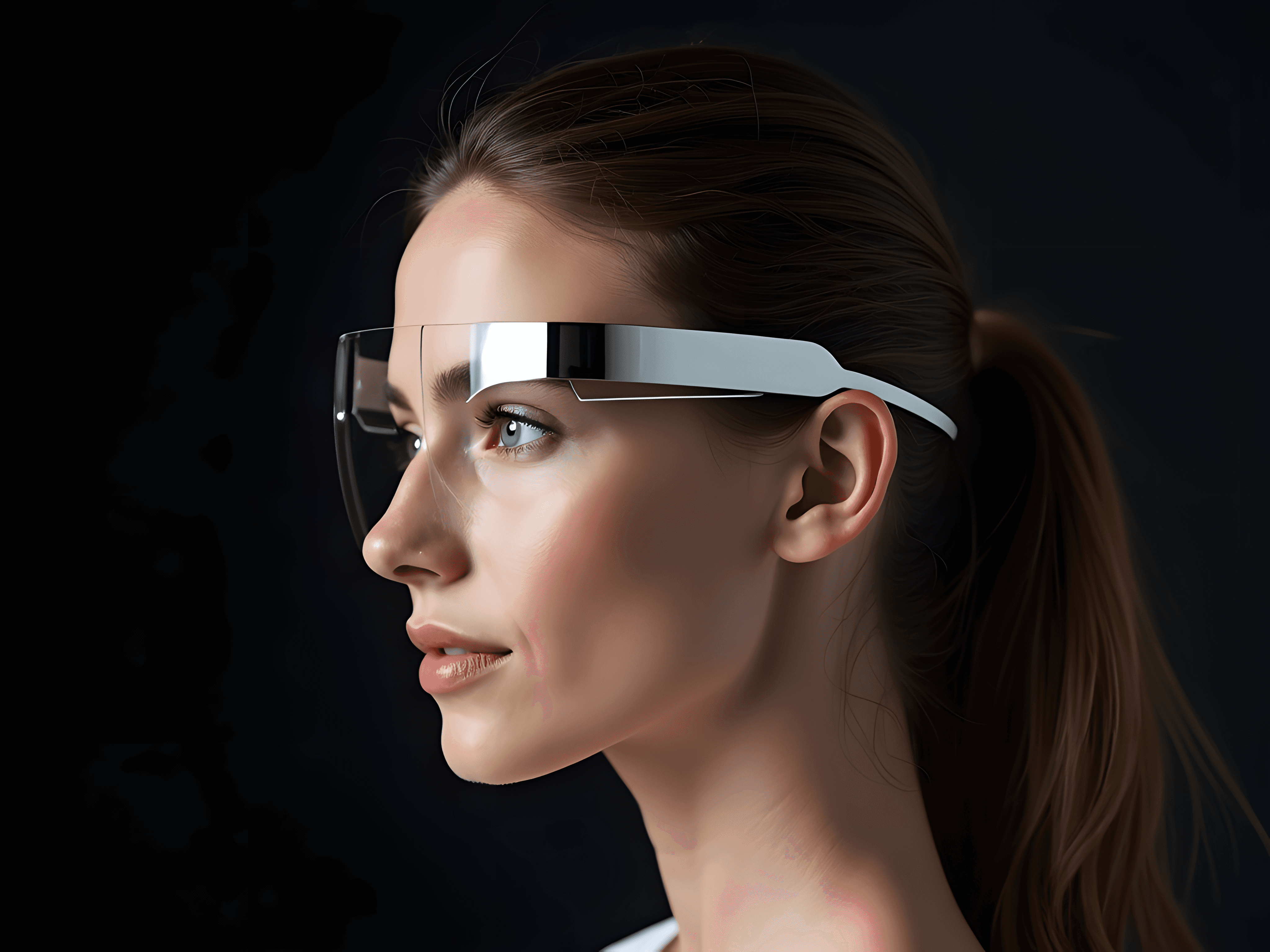
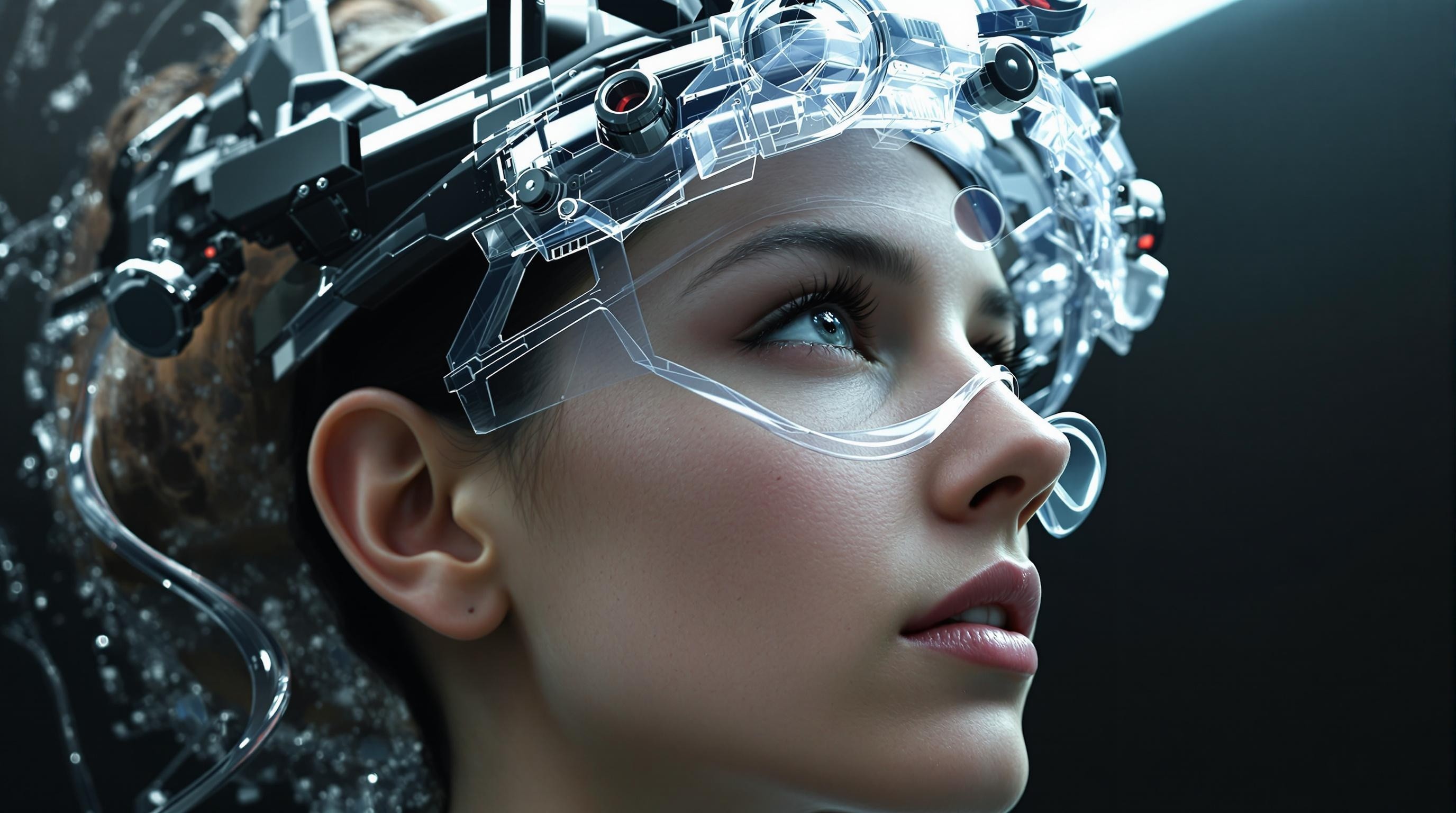
The product is a headset — daily wearable like AirPods, with retinal display, stereo cameras, bone conduction audio, and EEG sensors. The boom mic swings forward when active, so everyone knows when it's on. Privacy isn't an afterthought. It's the whole point.
The Uncomfortable API for Reading the Room
There's something slightly dystopian about all this, and we're not going to pretend otherwise.
Building models of how people communicate, sharing context via API, optimizing perception — this is the infrastructure of manipulation just as easily as understanding. The same tools that could eliminate miscommunication could enforce conformity.
But here's the thing: we're already being modeled. Every platform, every algorithm, every targeted ad. The difference is who controls the model. Synesthesia puts your communication model in your hands, shared only with explicit permission, processed locally on your device.
We're not replacing human judgment. We're giving it better ingredients.
In Closing: Where Air Becomes Visible
The Japanese have a phrase: "kuuki ga yomenai" — "can't read the air." It's usually an insult.
Synesthesia is betting on a different future. One where the air becomes visible. Where the space between words gets color-coded. Where "what did they really mean?" becomes a question with an actual answer.
Is this weird? Absolutely. Is it the logical conclusion of communication technology evolution? Probably. Will it make conversations better or just differently broken?
That's the experiment we're running.
Synesthesia: Because your brain needs a co-pilot for conversation.
We're not fixing you. We're fixing the signal.
From the kitchen with irony and humor.